Post-Fair, Paris
Oct 19- 25, 2026
74 Rue du Temple, 75003
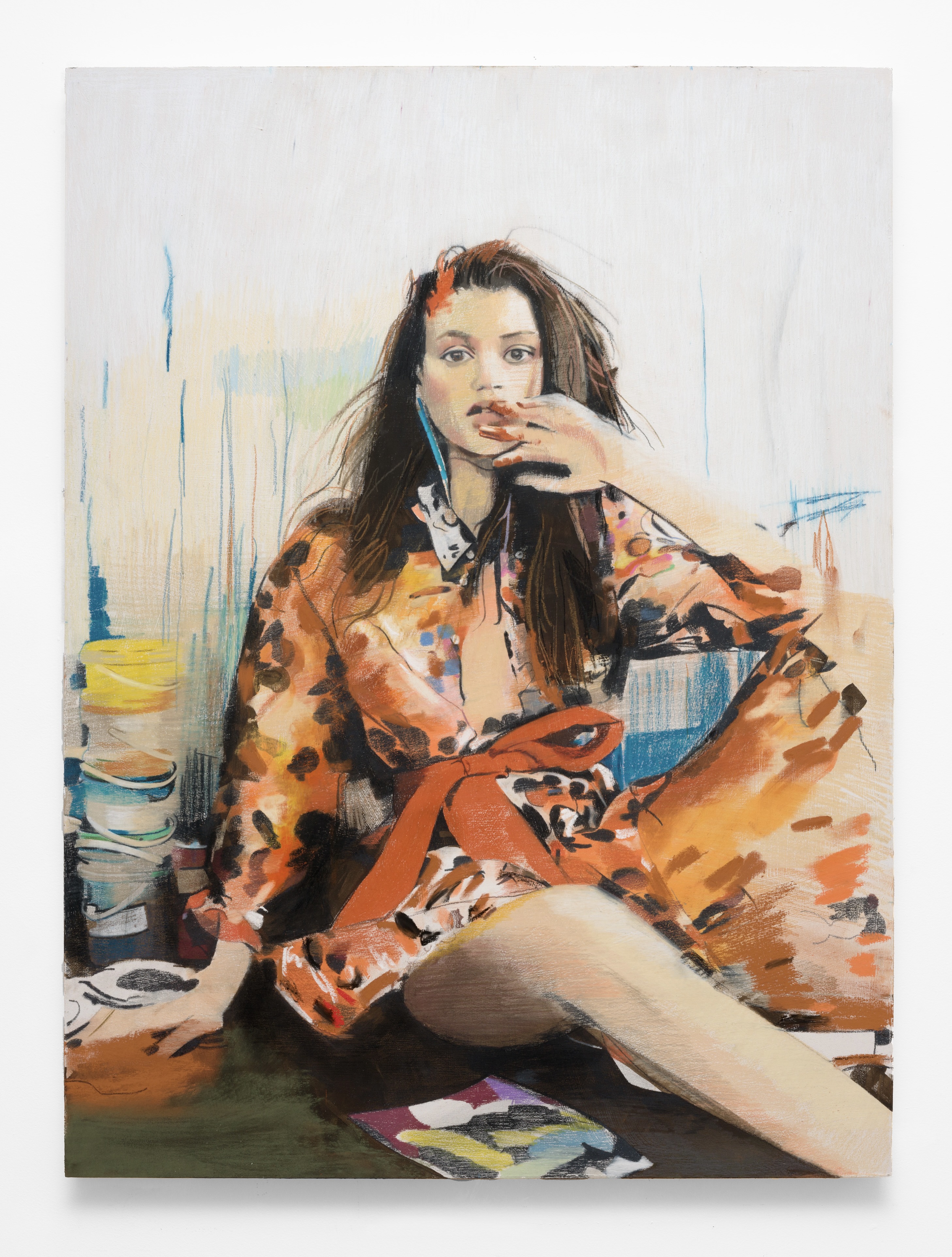
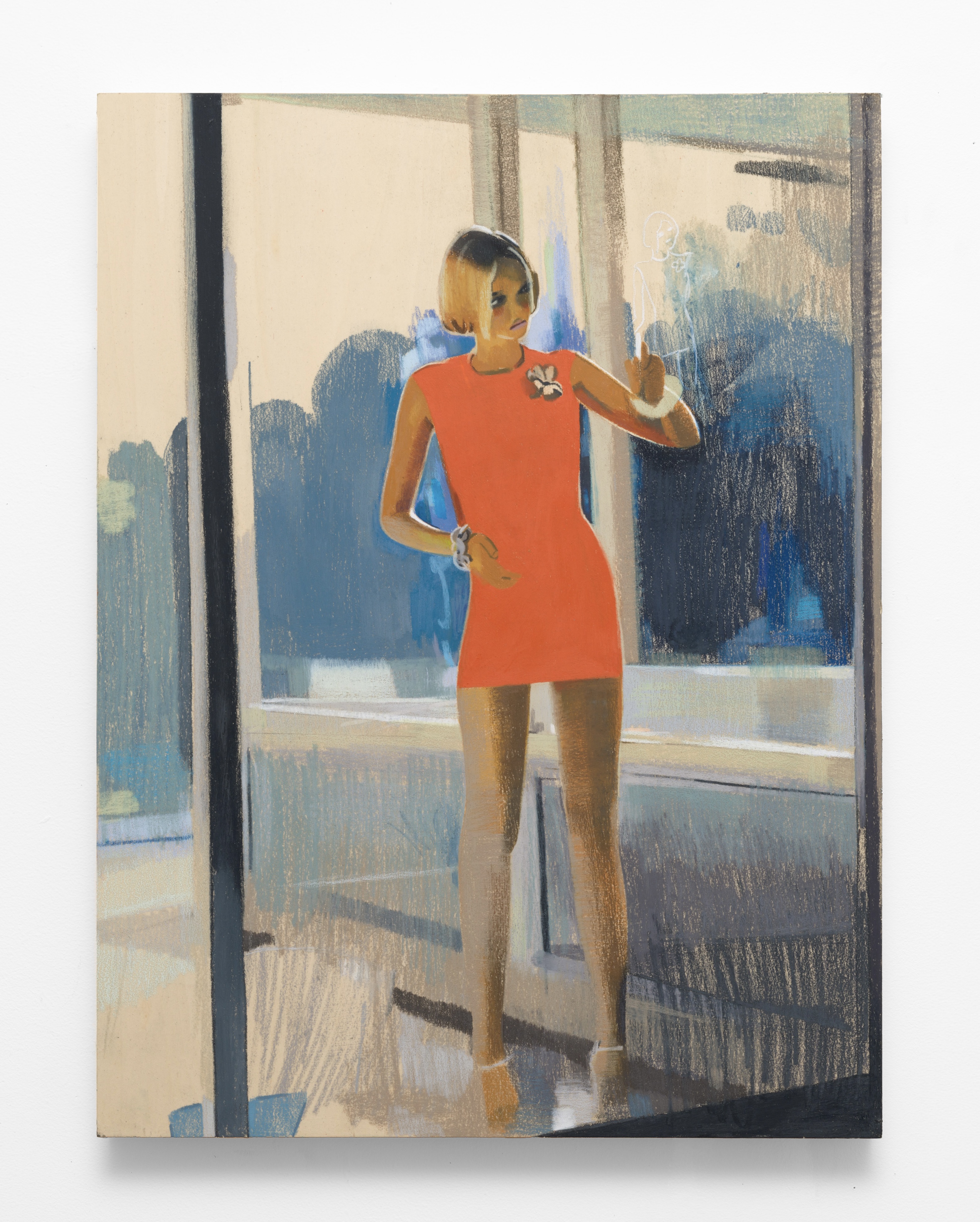
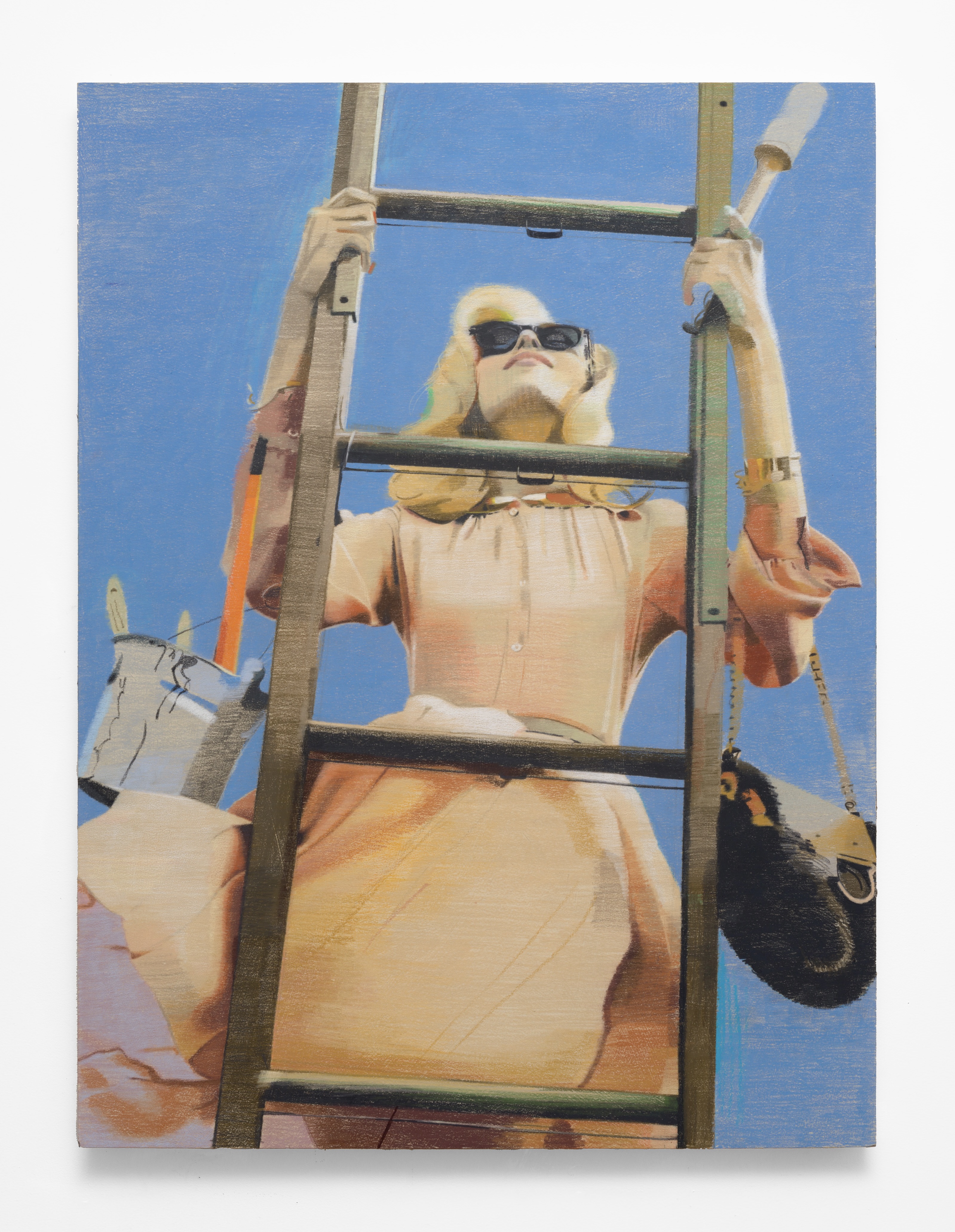
Tureen is thrilled to present a solo booth of artworks by Hannah Taurins for the 2026 Paris debut of Post-Fair. Here Taurins presents a series of new drawing-paintings inspired by various editorial images capturing the mise-en-scéne of an artist in her studio. In her most recent exhibition at the gallery, the artist presented a series of lifecycle paintings, many depicting mother and child, which were prompted by a confluence of intimate experiences external to her practice. Maintaining an interest in the situs of creation but returning her gaze to the confines of an artist’s working reality, Taurins seeks to address all that is mythologized in the public’s conception of the studio as stage.
In the 1981 art historical text Old Mistresses: Women, Art, and Ideology, authors Rozsika Parker and Griselda Pollock challenge the artist’s studio as realm of singular, divine genius. Free of the externalities of domestic life with which women were presumed consumed, the most iconic depictions of studios through out art history are sober propaganda for the import of virile mastery. From Rembrandt’s Artist in His Studio to Courbet’s The Painter’s Studio to Vermeer’s The Art of Painting, each of these monuments presumes their maker’s genius and conceals his humanity; theirs is a denial in the service of myth. Taurins’ works in the presentation seek neither to evade this myth nor match it. Her models, play actors delighting in the cliches of “artist at work,” herald an art historical propaganda of the 21st Century in which source, repetition, reanimation are embraced with a knowing irony. In these days of endless image streams and multi-hyphenate creators (artist, model, actress, influencer), the Vermeerian curtain has fallen for good.
Taurins’ counter-current of exposure, of wry “reveal” into the artist’s inner sanctum likewise manifests itself in her process of making the work. Replacing her usual underlay of white gesso is one of clear gesso that exposes the surface of the wooden panels on which she draws and paints. Amidst these saturated depictions of the new mythical studio appear bare, grained relief consumed by their host image, previously consumed and reborn in the artist's own studio. This feedback loop between raw material, studio practice, and source imagery reifies Taurins’ latest proposal for a self-referential art making in the service of its own crowd-pleasing performance; what more populist, exposing endeavor than an art fair presentation?
But the seductive quality of these works, of the faces and bodies they portray, belie their ambition. Their democratic kind of beauty, the same kind born by the media from which they’re pulled, lure their audience with vague familiarity. These might be artworks in which you see your own personal cultural touchtones. Even the depiction of an artist’s studio in Taurins’ hands is more invitation than edict. Yet they’re no less definitive an account of contemporaneity, of the state of art making than were the allegorical shades of Courbet’s studio an account of his century’s realism. In Taurins’ indulgent beauty there is no abdication of the kind of import critiqued by Parker and Pollock, only its makeover.
At last there is the question of self—how much of an artist’s autobiography exists in their depictions of the studio, and how much of that mythologized aura can we glean? As mentioned, Taurins’ previous series dealt more directly with the personal, using devotion or tragedy as a font. The works on exhibition here, rather, serve their own biography, their origins less up for debate. There is a clarifying quality to an endeavor so rooted in the object itself, so too a flattening of time between artwork and act of creation that magnifies its objecthood even further. Perhaps this distillation serves as the ultimate embrace of the artist’s place in history; what remains of the studio is its output and any gravitas it holds in the realm of public consciousness is ancillary. Taurins’ works here do not take their own history for granted but reveal in their making a devotion to her ultimate proposal. It is in the surface of the thing, the sculpted image and all its attendant contemporaneity where the aura lies.


.jpg)
.jpg)