. . . the evidence of hidden miseries which had
begun to require daylight . . .
—Fanny Howe, “Bewilderment”
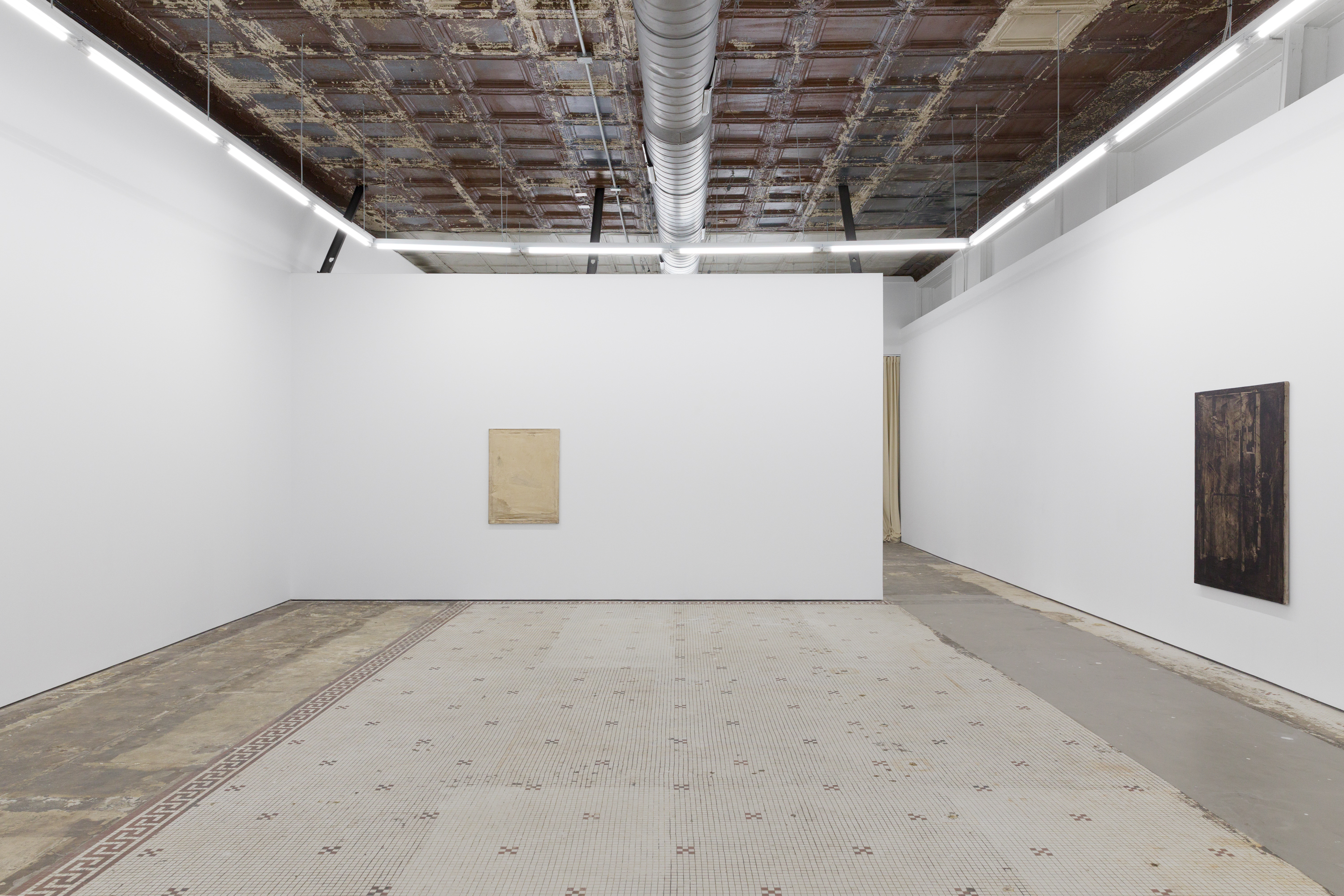
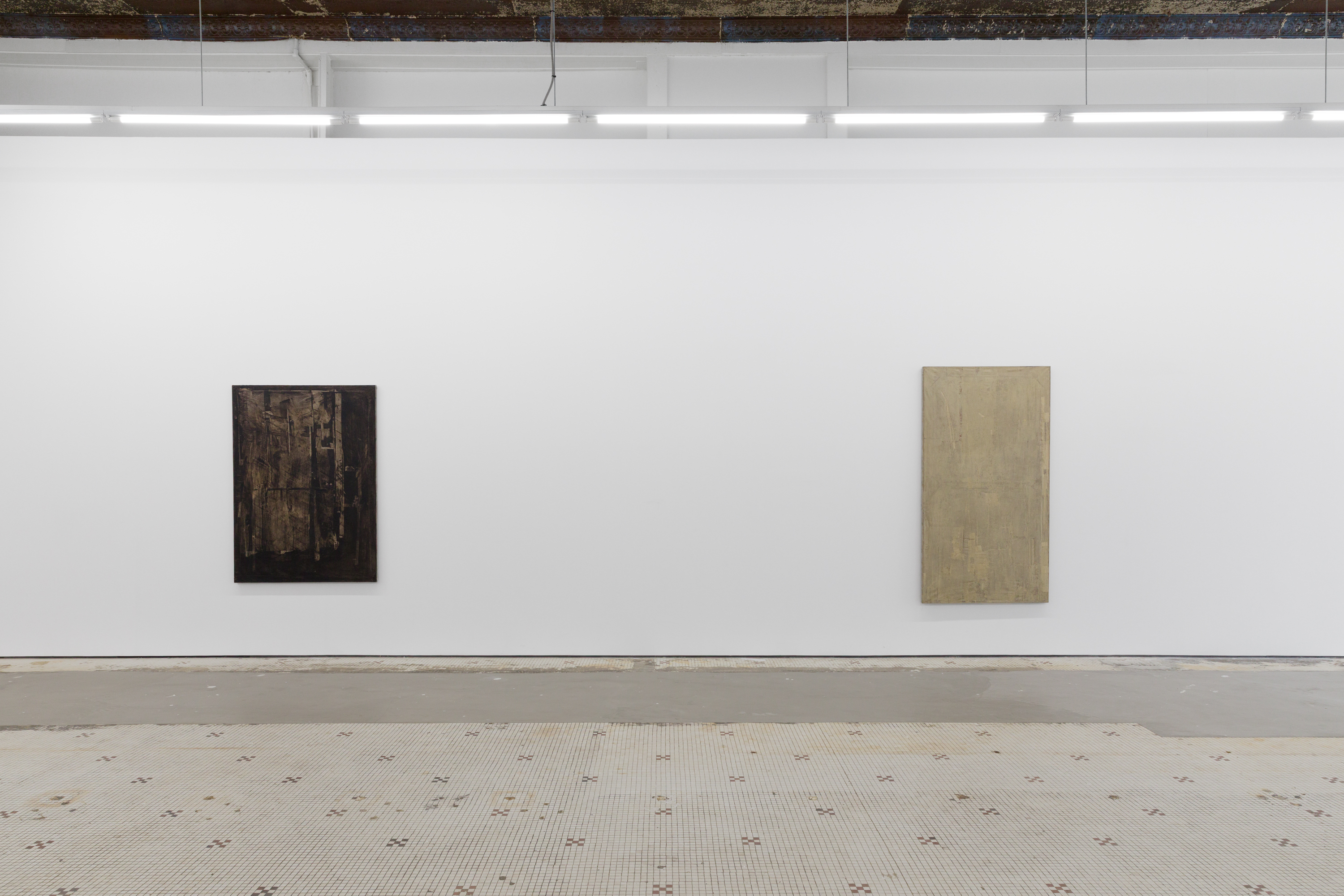
These paintings are the result of a release of the interior to the common. Their origin antedates that of the artist by over forty years.
She writes:
For years, I painted inside my head. Immobilized by an energy I could not release with words. Simultaneously frantic and still, I watched and learned from everything around me. Asking, where can we find certainty, why does a place feel the way it does, what are we nostalgic for, and how can we be ourselves if there is no self to begin with? Troubled by these existentialist questions, I encountered the discipline of painting—the flat theater where what something is and not what it looks like is revealed. Both the study of paintings and the act itself became a site for my thinking.
These paintings’ potential is to create a space and time to contemplate these questions. As the uncertain and unstable opinion begins to take form,the surface of the painting appears not as an image but as a receding ground. Offering an enigma to contend with instead of an assertion to accept.
My wing is ready for flight,
I would like to turn back.
If I stayed timeless time,
I would have little luck.
—Gerhard Scholem, “Gruss Vom Angelus”
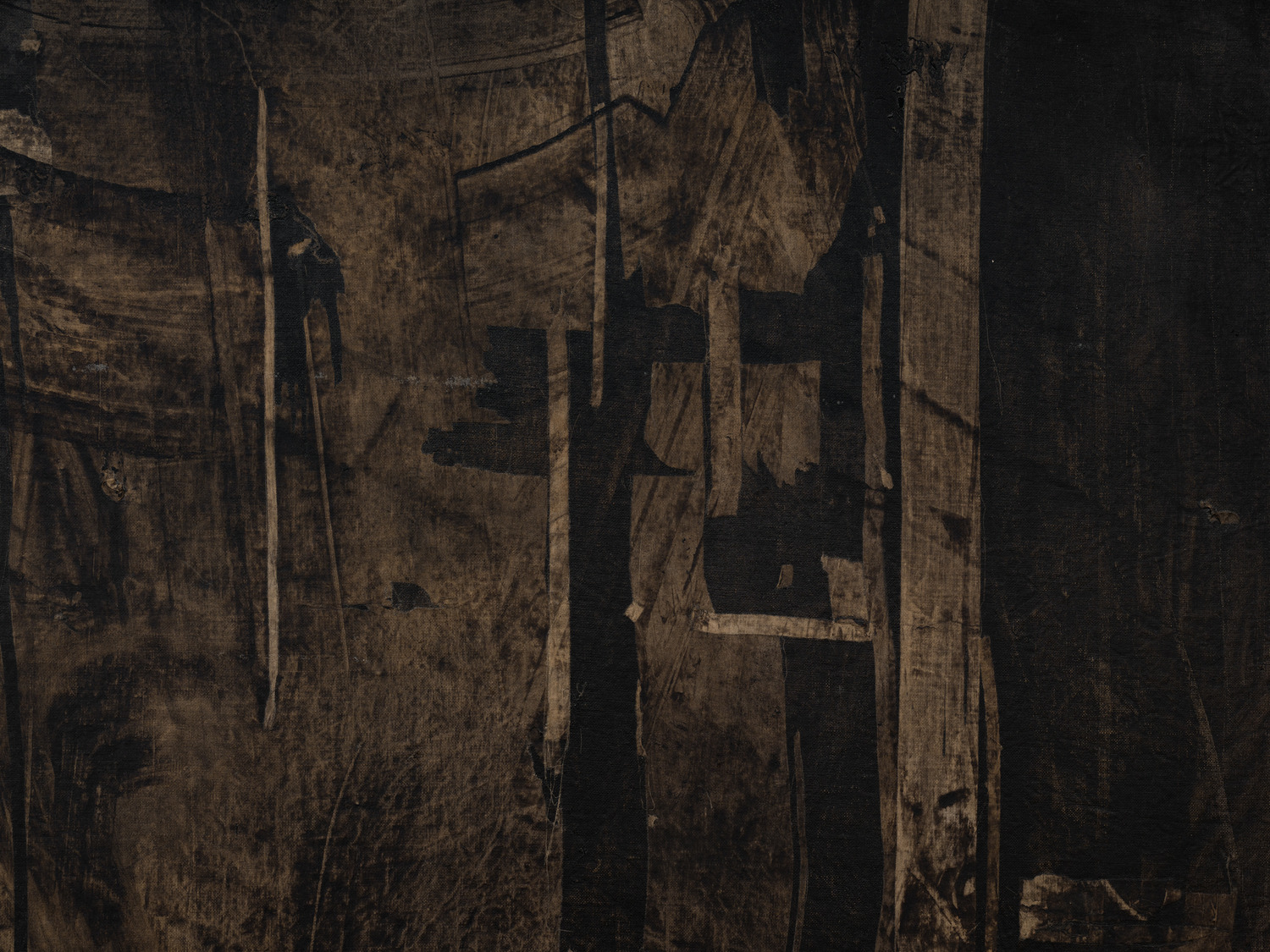
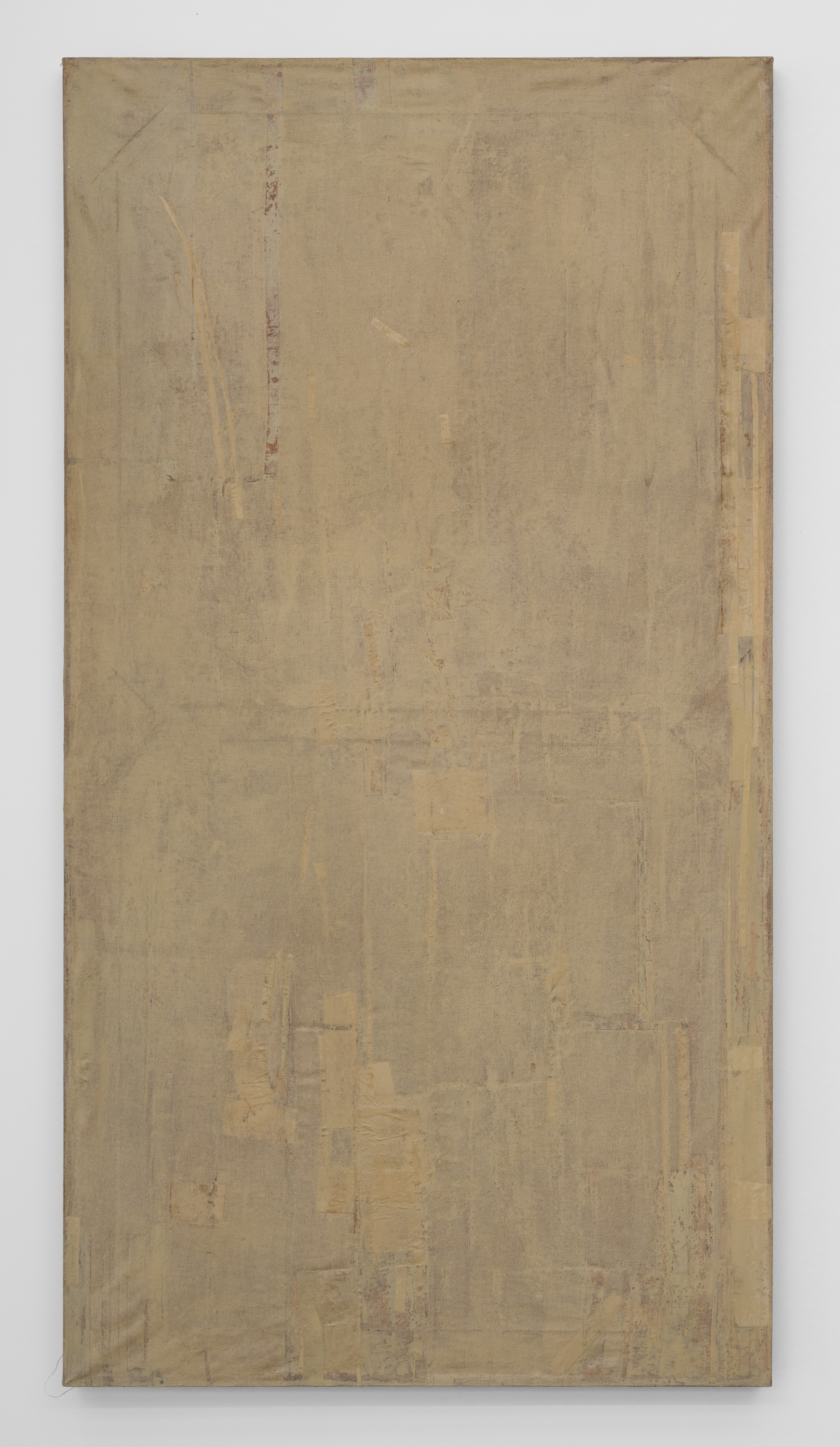
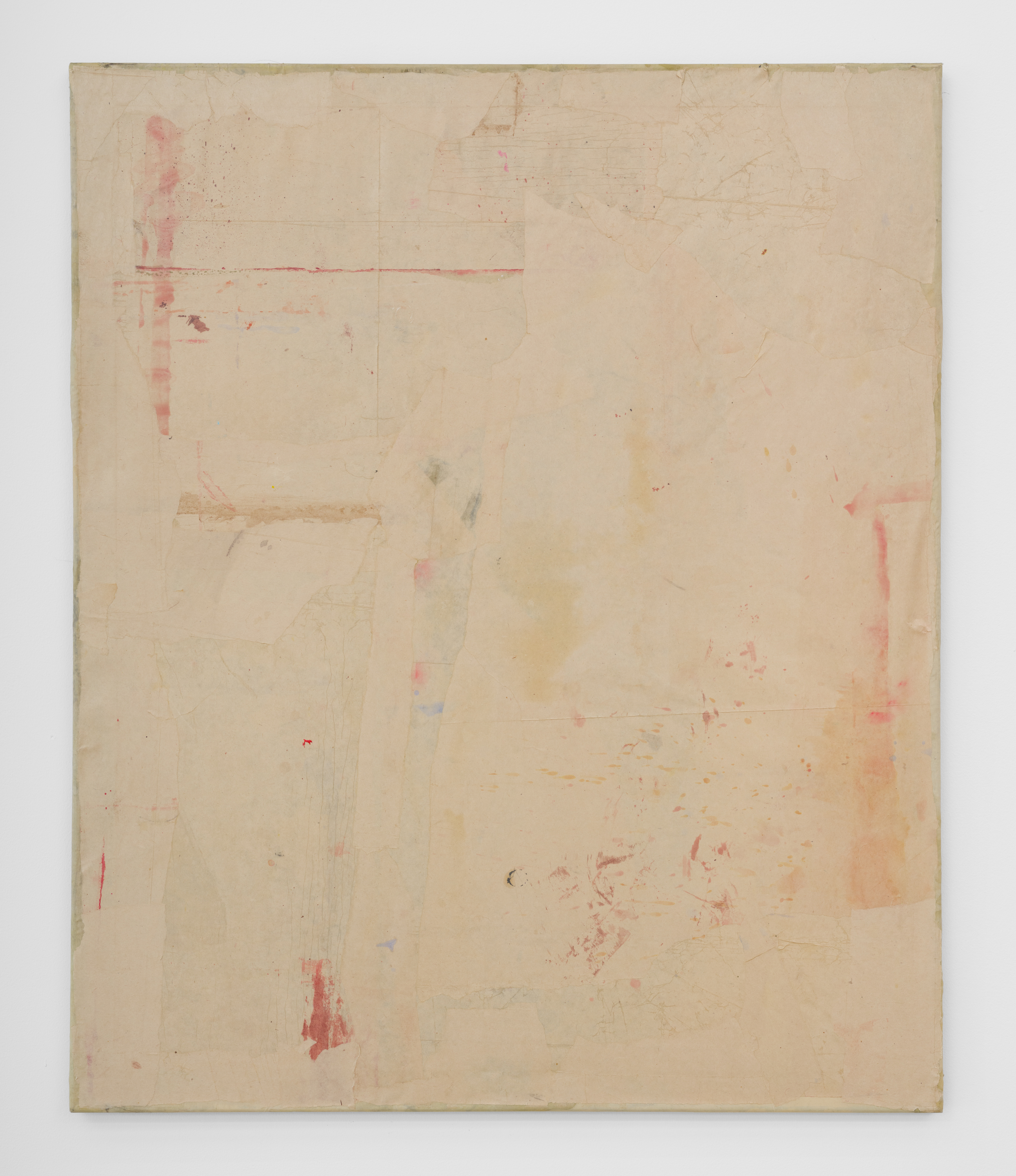
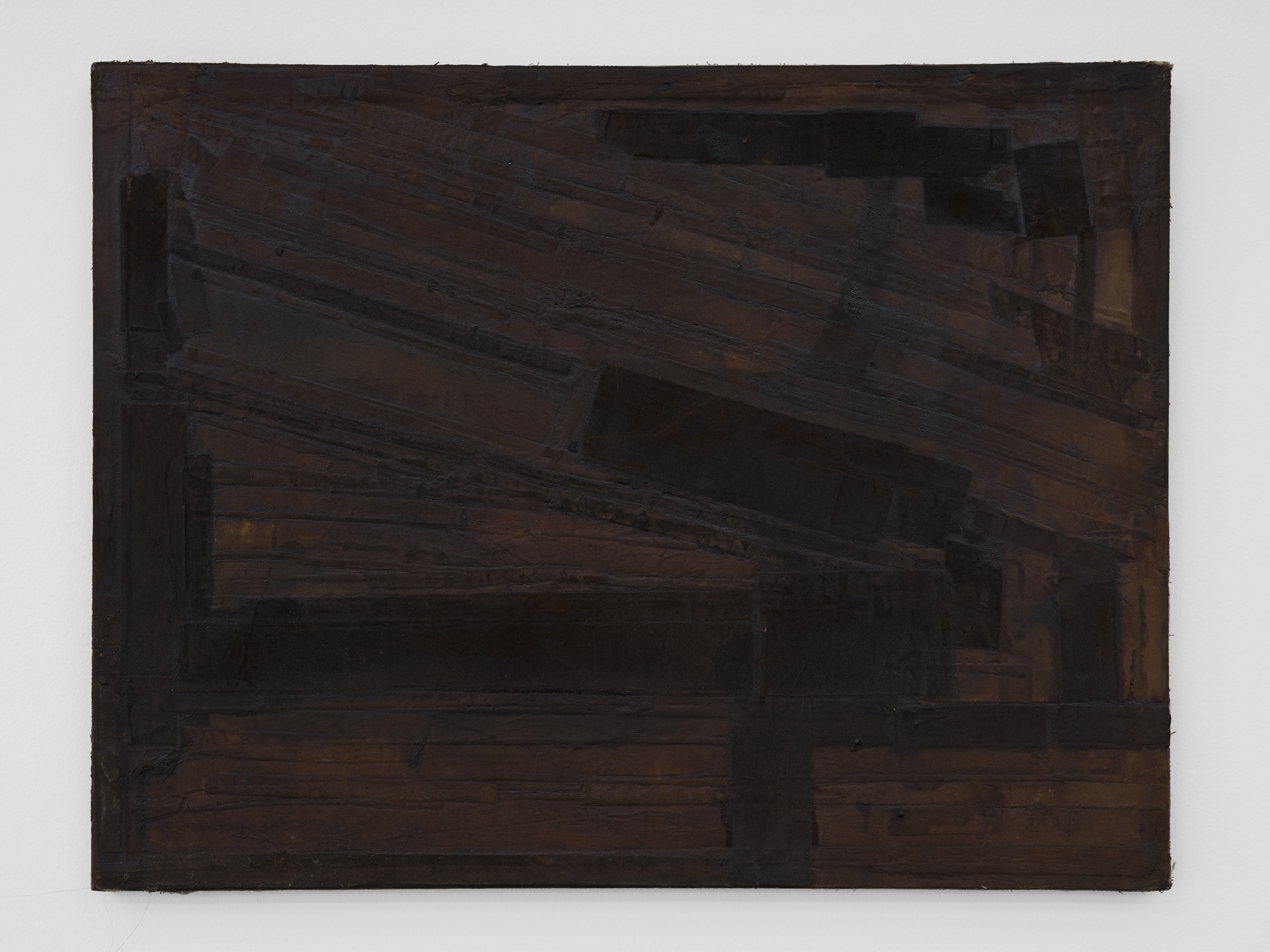
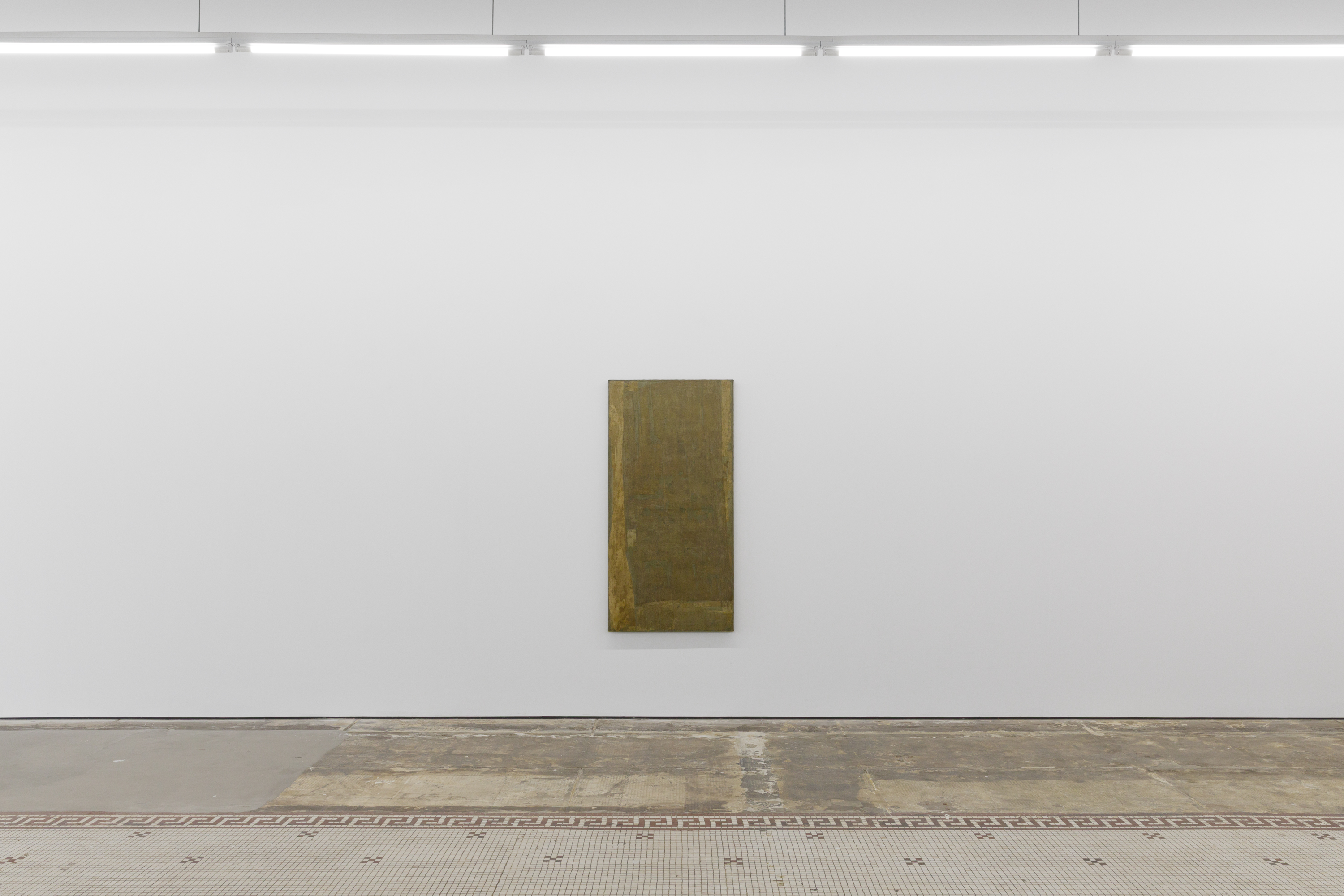
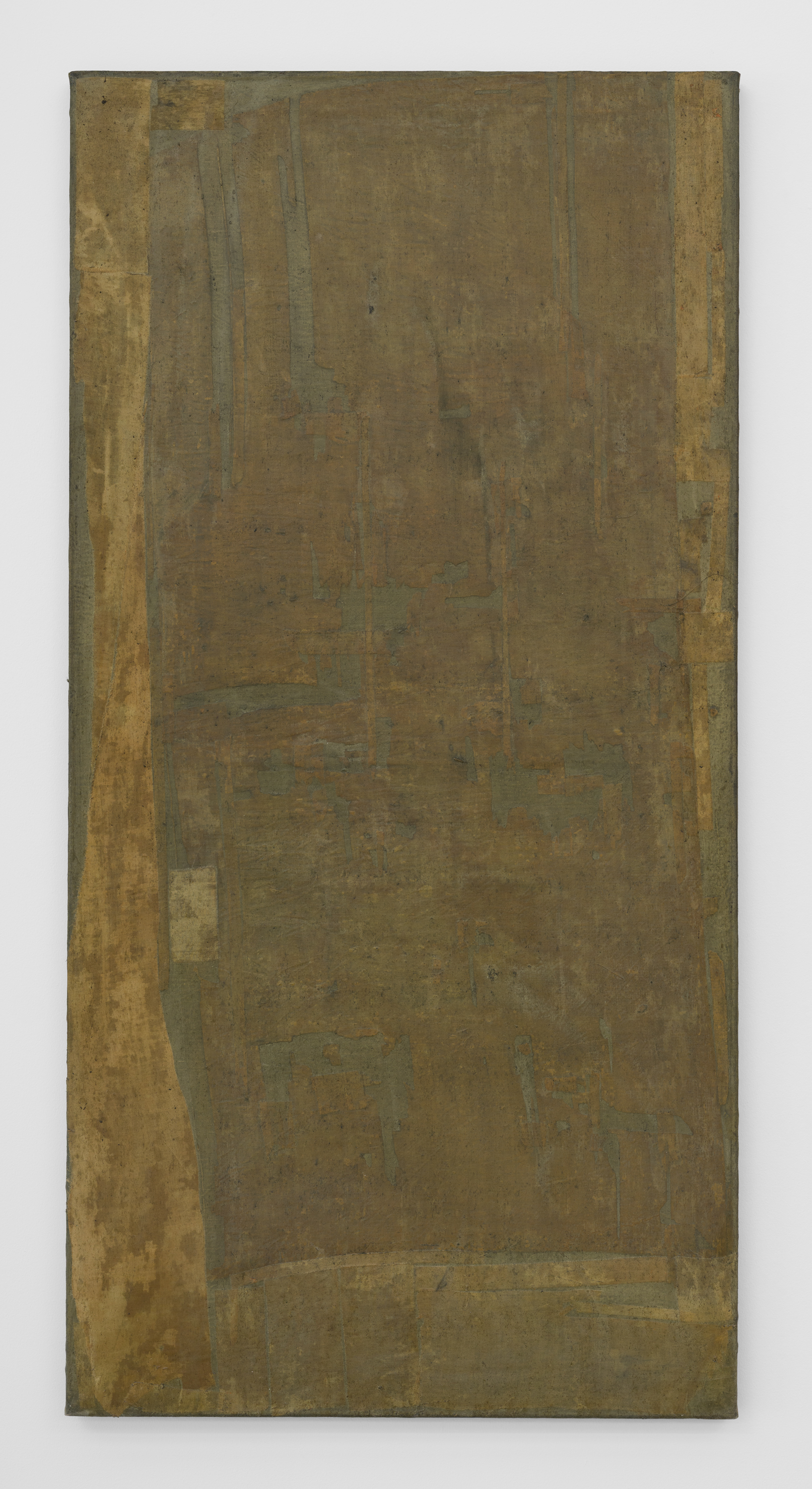
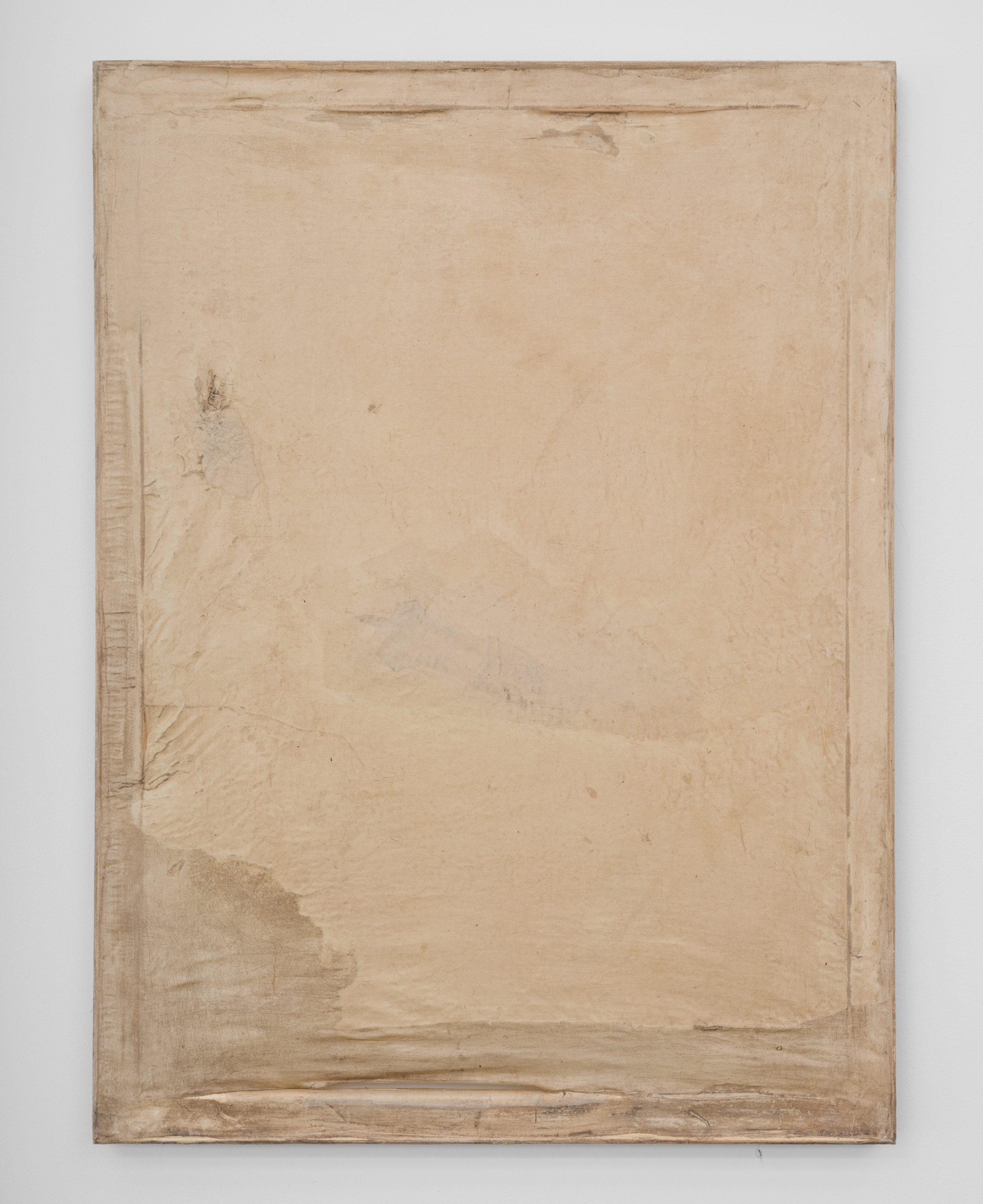
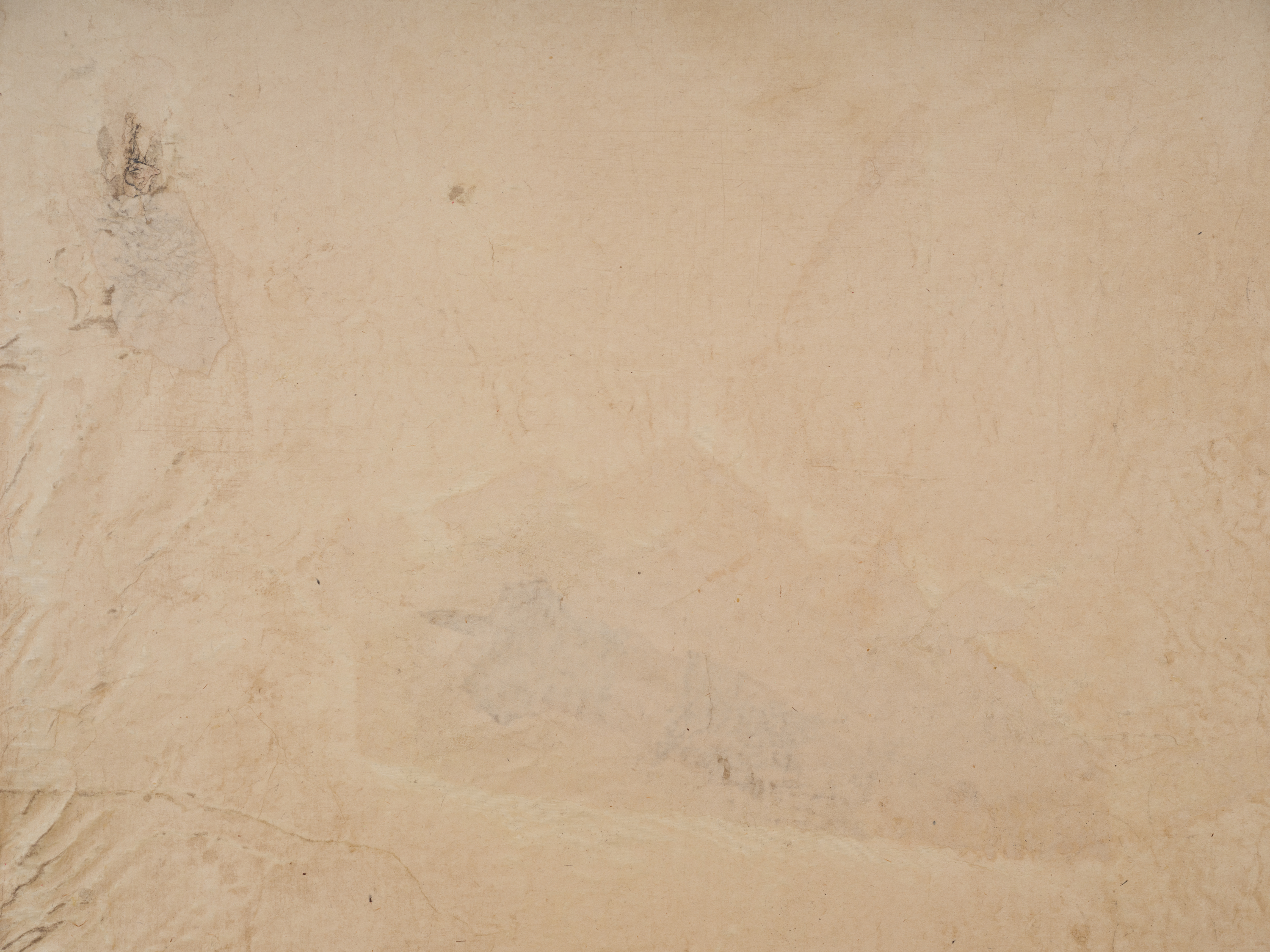
Though composed of the same materials—earth pigments bound in gum arabic, rabbit skin glue, and walnut oil rubbed into silk, linen, and packing paper—each of these riddled works reveals a different face of the same phenomena, a fleeting image of the past in the present. The taut surfaces, aged by scraping, sanding and washing to the edge of oblivion, provide the illusion of a much older artwork. Returning a materialized sensation of an unstable ground to the viewer. A recognition of our desire and inability to grasp the past, be in the present, and move towards the future all at once.
An encounter that resembles the moment in which our eyes adjust—whether walking from a well-lit room into a garden at night, looking out into the mist on a foggy day, or trying to make out the blurry line of the horizon on an open field. Our minds experience a sudden shift from clarity to confusion, as we attempt to decipher what we don’t yet have words for. We have gone from knowing without thinking to thinking the unknown.These paintings live at this point, when seeing comes into question. In an attempt to piece out and comprehend an image, we dwell instead in the miscomprehension where everything can be anything, where you cannot yet see what you will then see. To look through the mist at an image of unresolved potential is to dwell in the unknown that is as present, if not more present, than what we do know.
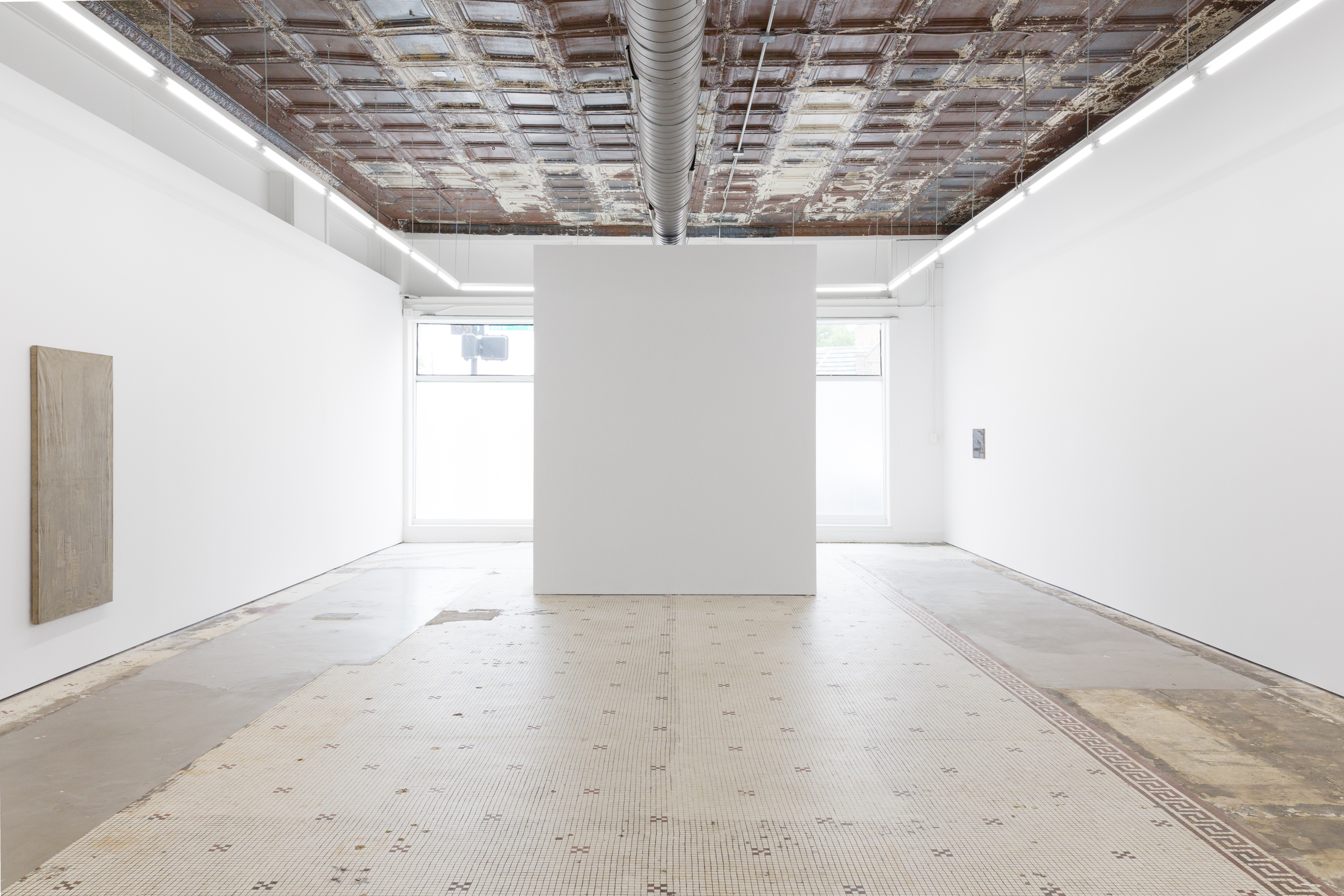
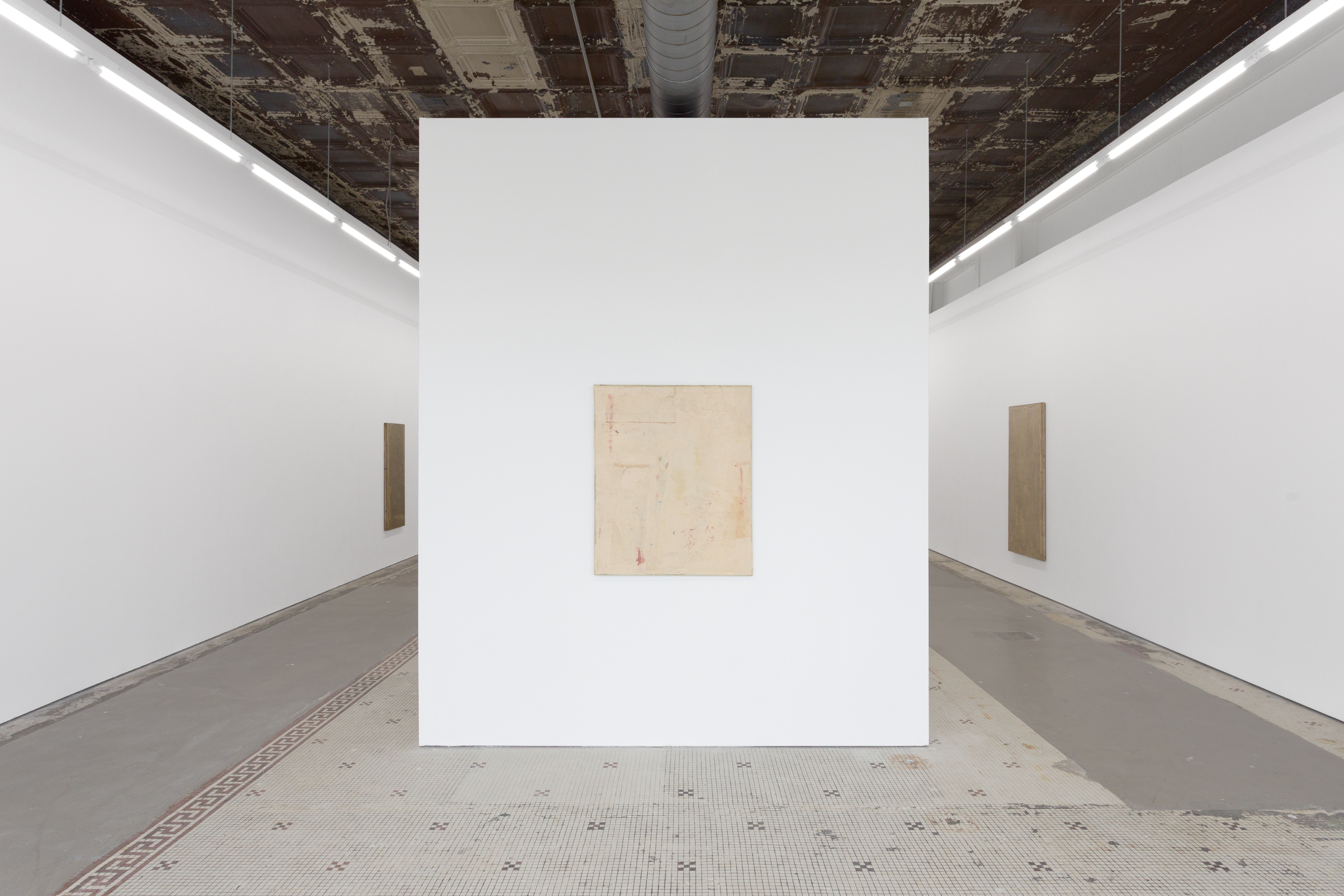
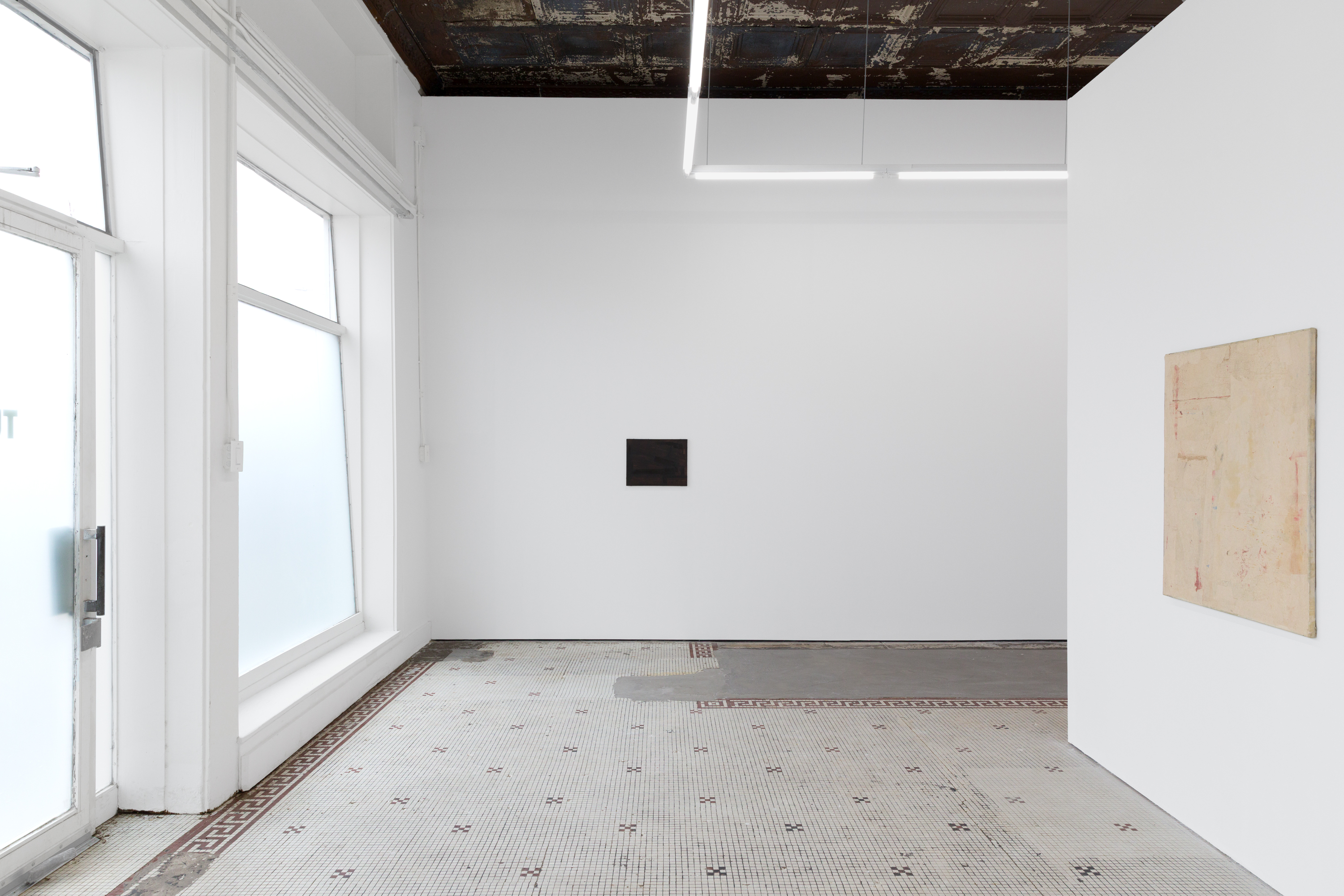
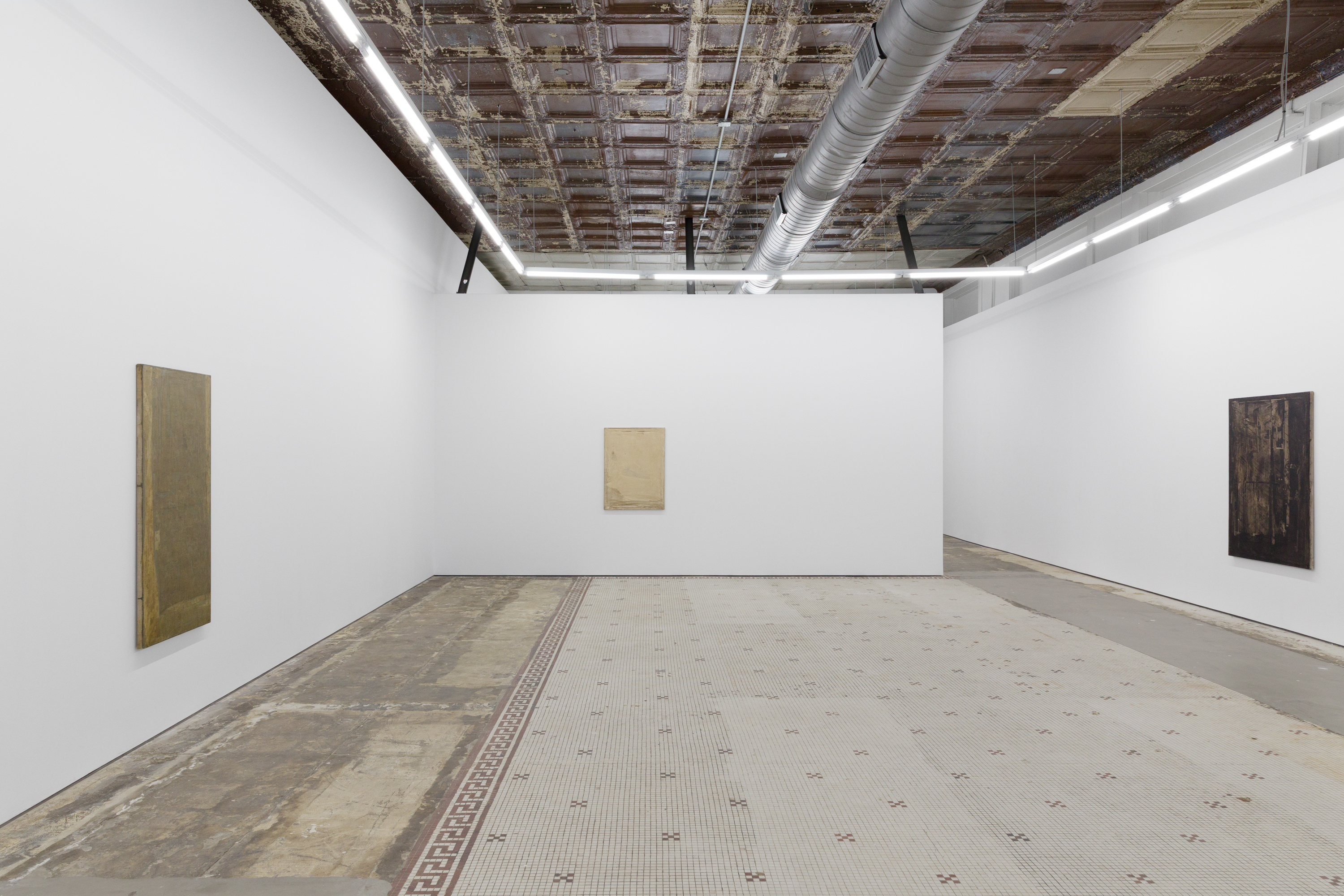
The amorphous compositions hanging in the gallery provide no respite to this instability. Instead, they reveal our inability to grasp the historical and material conditions that have led us to this moment. At the intersection of an image and an object, they recede into the space, untroubled by the viewer’s gaze or acceptance. Proposing that the role of the artwork is not to proclaim but to surrender.
.jpg)